MatchingComing soon
Route-Based Matching
Commuters are matched using recurring routes and schedules rather than an on-demand ride-hailing model.
System Design
I use systems thinking to connect product goals with technical architecture. This includes understanding users, modeling data, designing services, and making trade-offs between simplicity, scalability, trust, and delivery speed.
A verification-first commuter matching platform designed to improve trust and safety for daily commuters.
Explore the technical and product decisions that shaped the Commute Matcher platform.
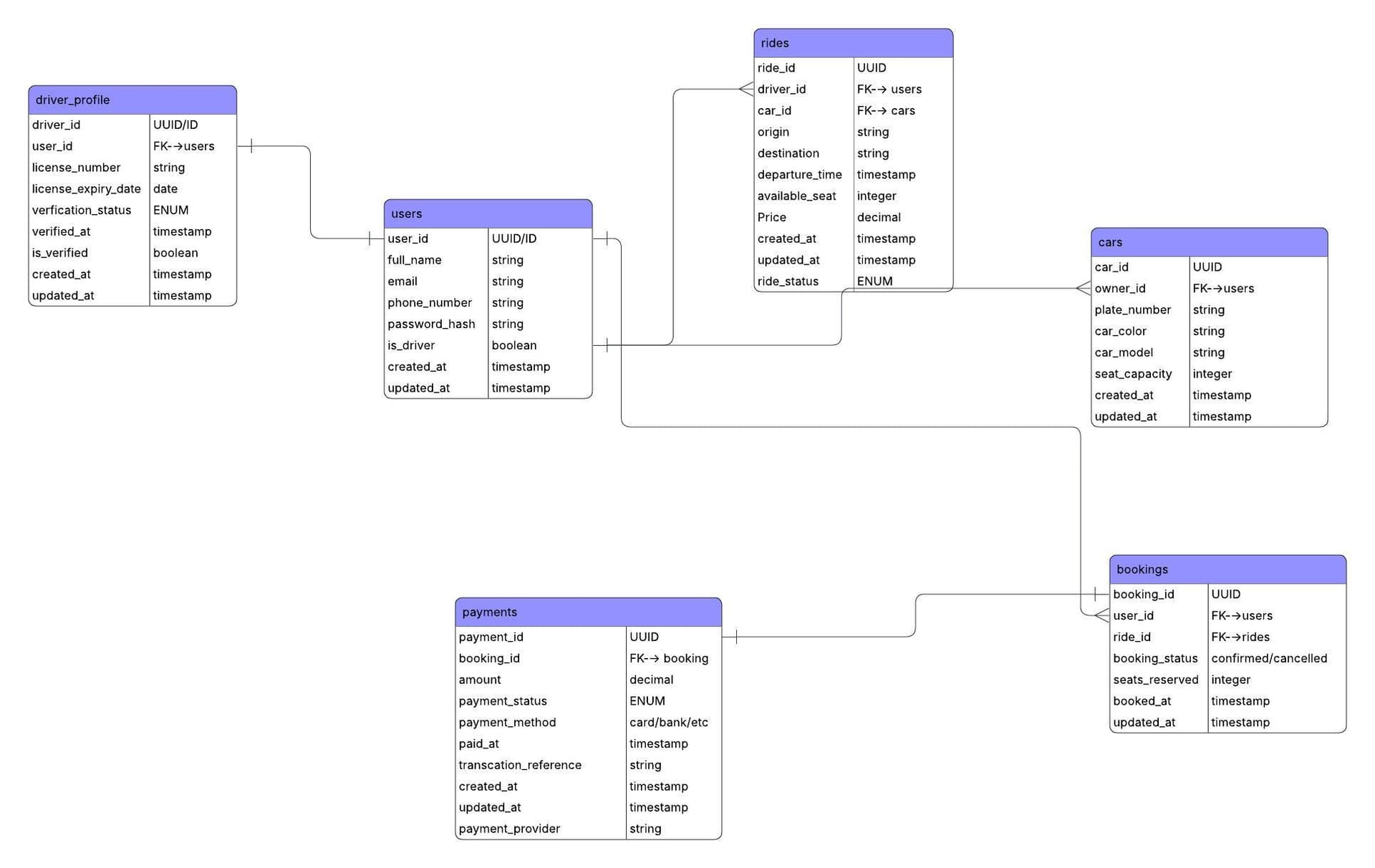
PostgreSQL was selected to support strongly related data, reliable matching logic, auditability, and transactional consistency.
Read the full decisionPublishing a route is treated as a driver's pre-commitment, allowing eligible passengers to reserve available seats without waiting for manual approval.
Read the full decisionCommute Matcher prioritises a trusted network of identifiable commuters rather than allowing unrestricted participation from anonymous users.
Read the full decisionUsers must meet the required verification level before creating routes, booking seats, or joining confirmed commutes.
Read the full decisionCommuters are matched using recurring routes and schedules rather than an on-demand ride-hailing model.
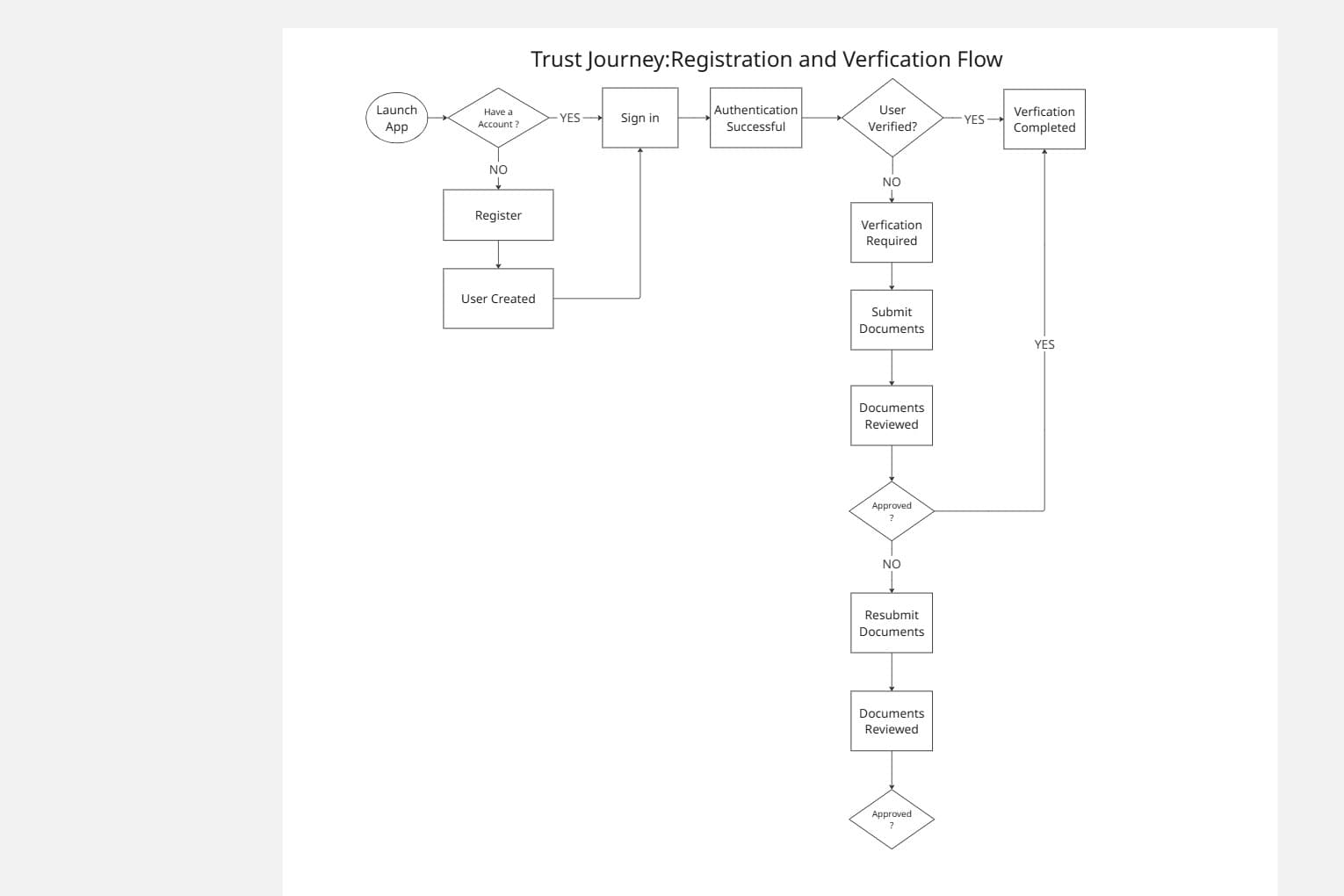
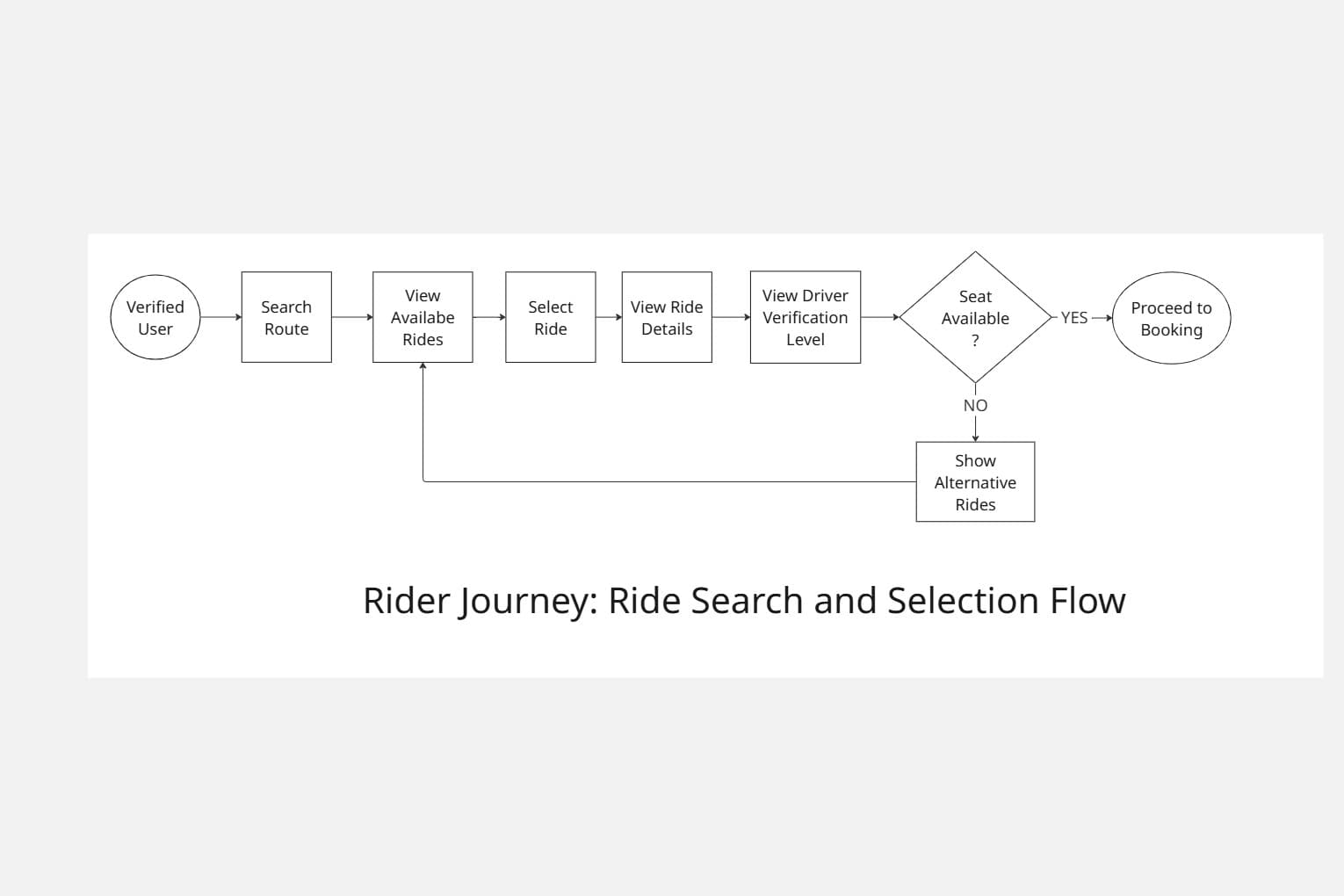
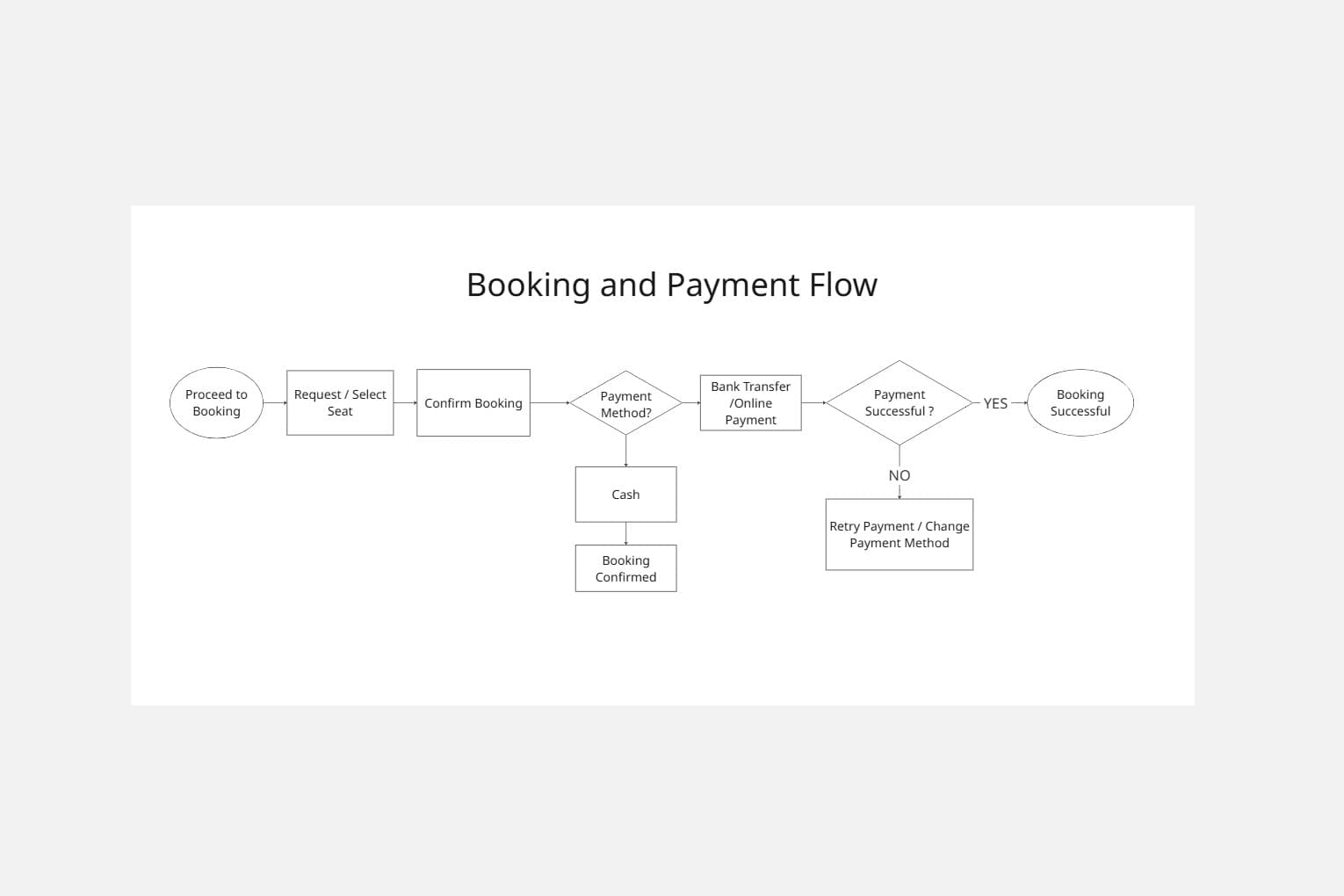
Shows how riders and drivers move from registration to verification, ride creation, matching, booking, and confirmation.
These flows show how users register, select rides, book trips, and complete payment within the Trusted Carpool Network.
Shows how users create an account, submit verification details, and become eligible to participate in trusted ride matching.
Shows how a commuter searches available rides, reviews route details, and selects a suitable ride option.
Shows how a rider books a selected ride, confirms trip details, and completes payment.
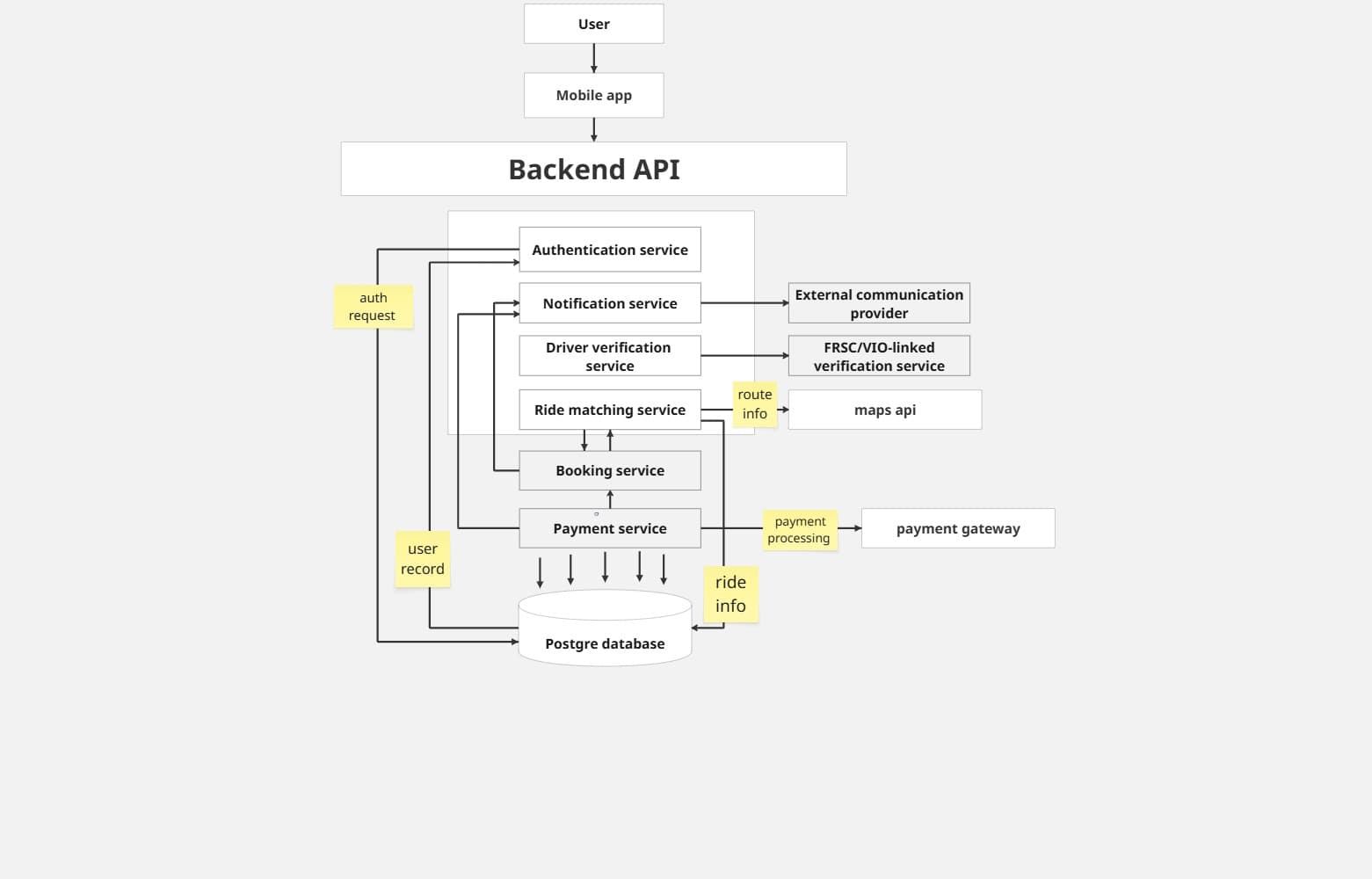
Shows how the frontend, authentication service, matching service, notification service, payment flow, and database communicate.
Shows the relational database structure for users, rides, bookings, payments, verification records, and driver profiles.